
Loading
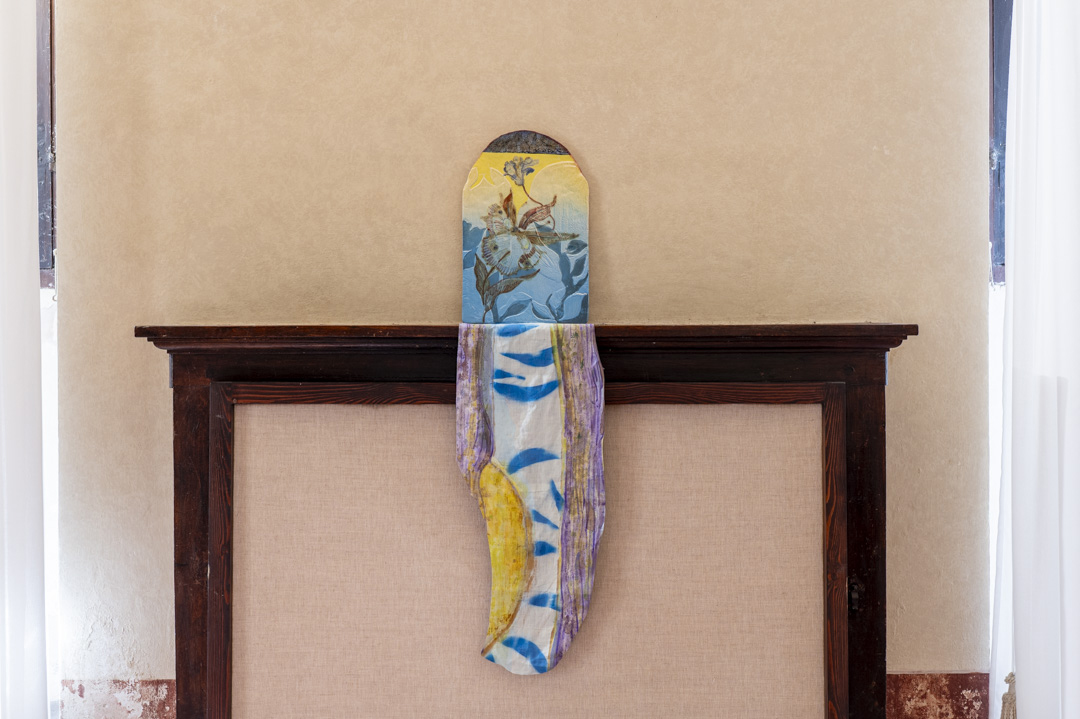
installation view
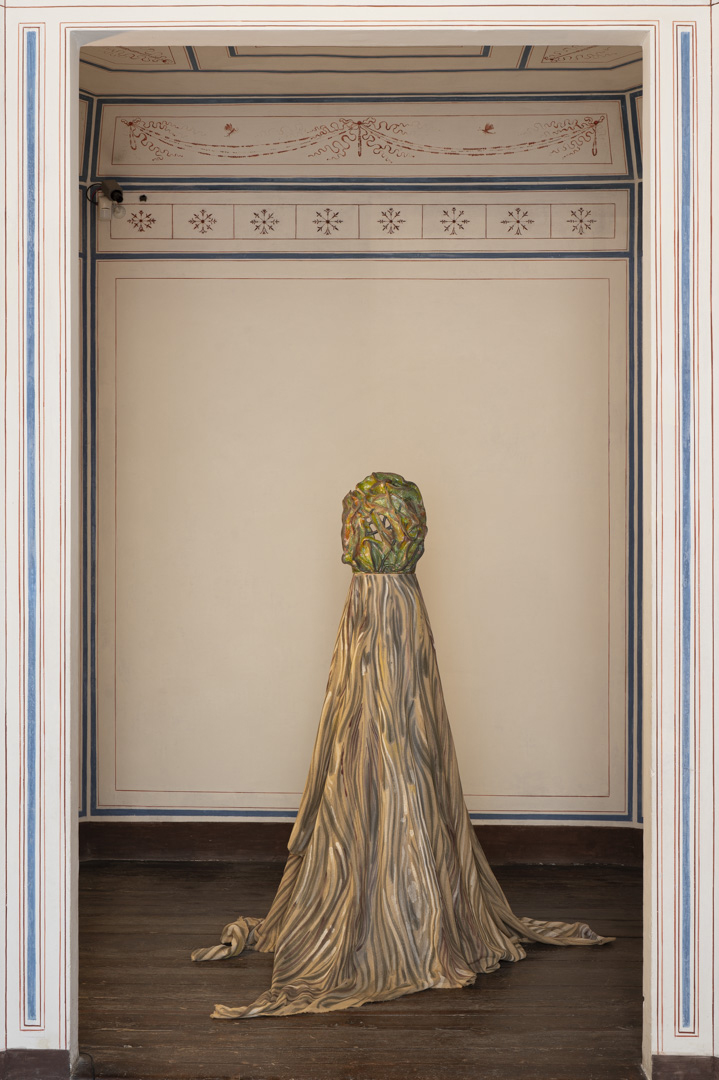
installation view
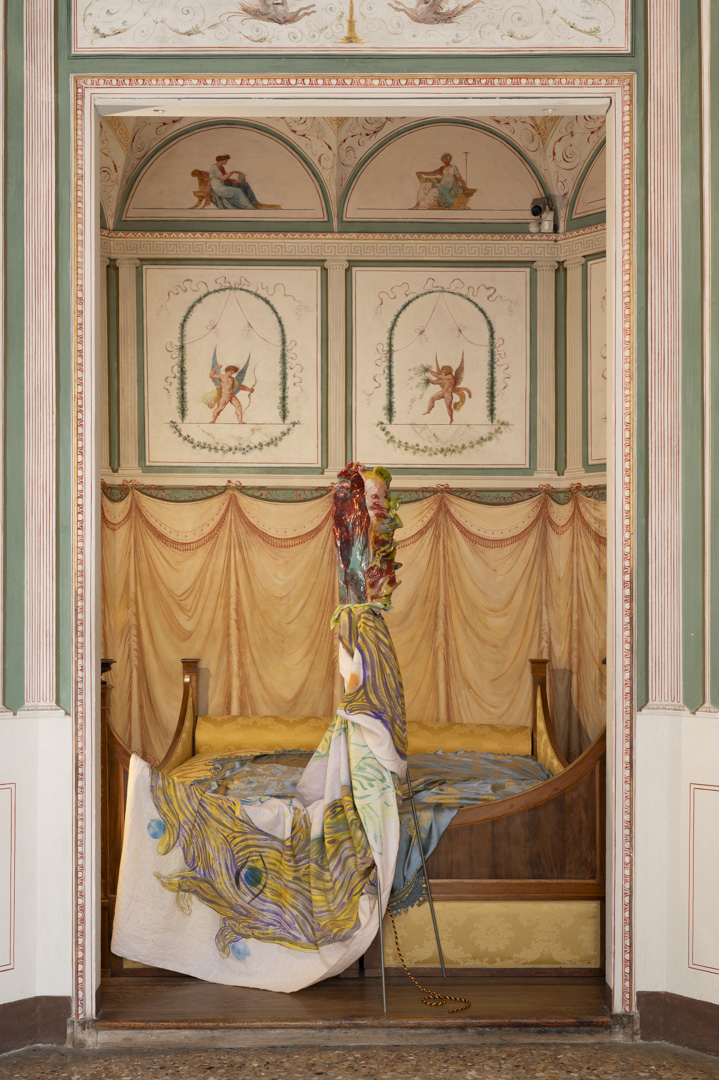
installation view
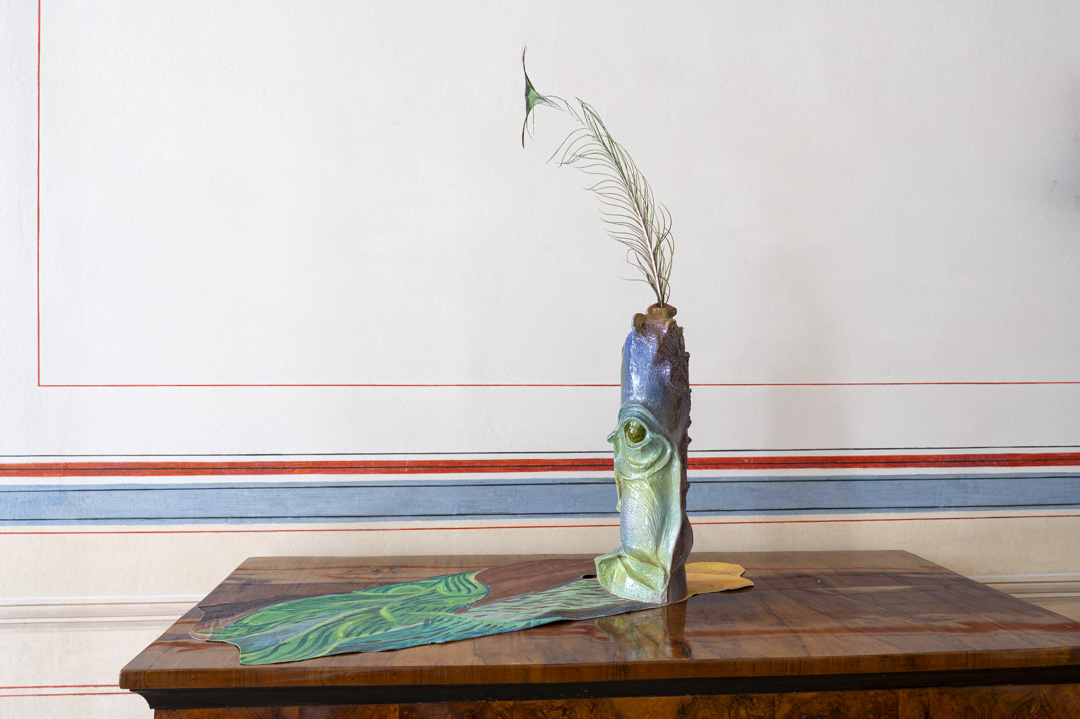
installation view
installation view
installation view
installation view
installation view
installation view
installation view
installation view
installation view
installation view
installation view
installation view
installation view
installation view
installation view
installation view
installation view
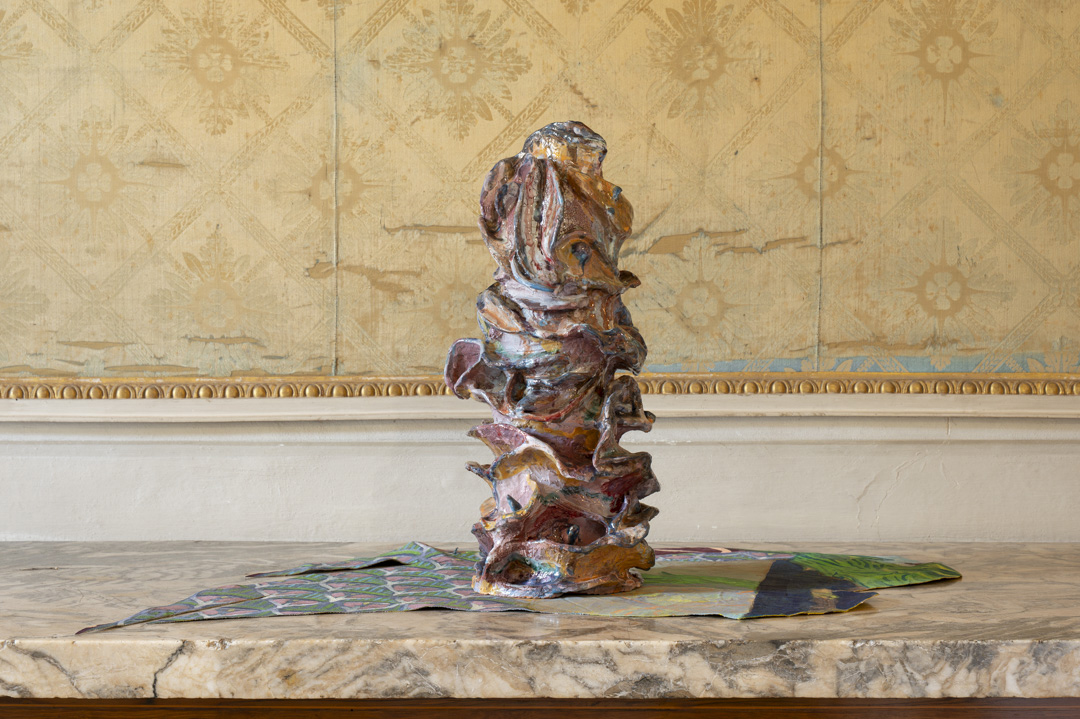
installation view
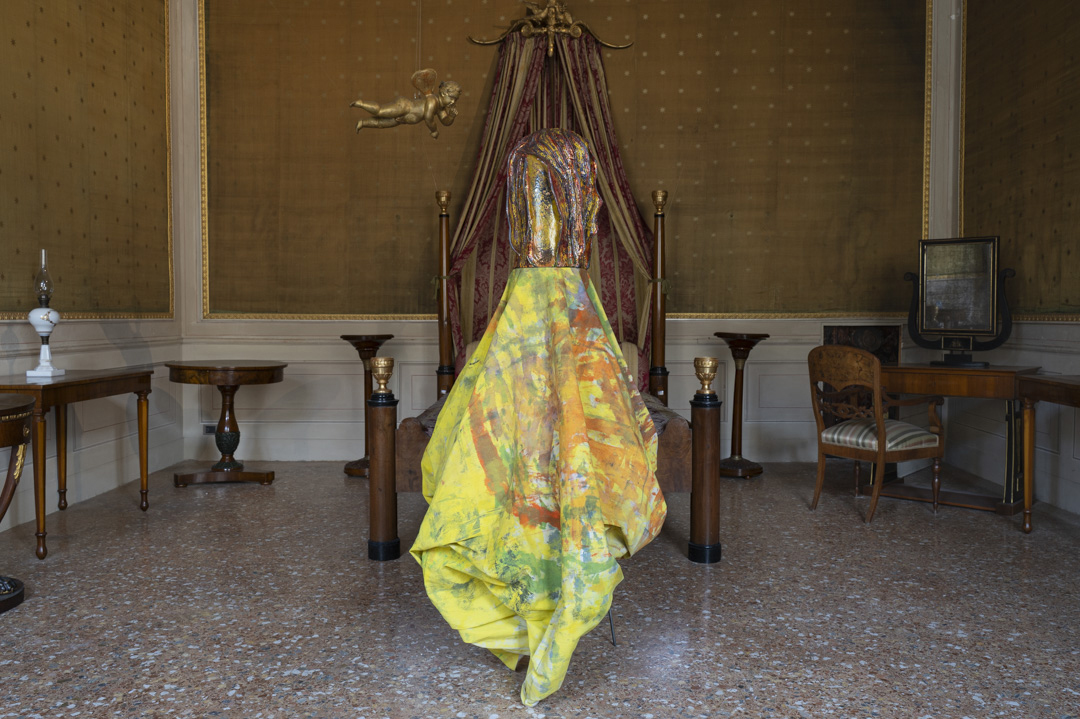
installation view
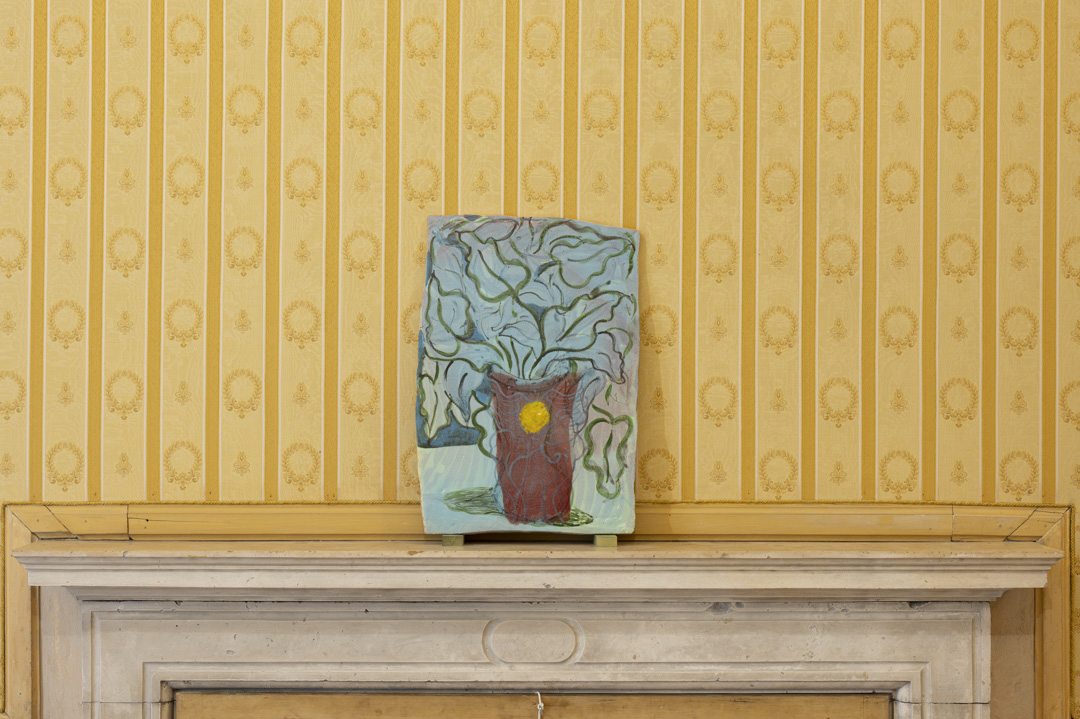
installation view
Presenze
Palazzo Milzetti Faenza Italy
31 August – 11 October 2026
Ph Claudia Laus
Review:
Exibart Link
Segno online Link
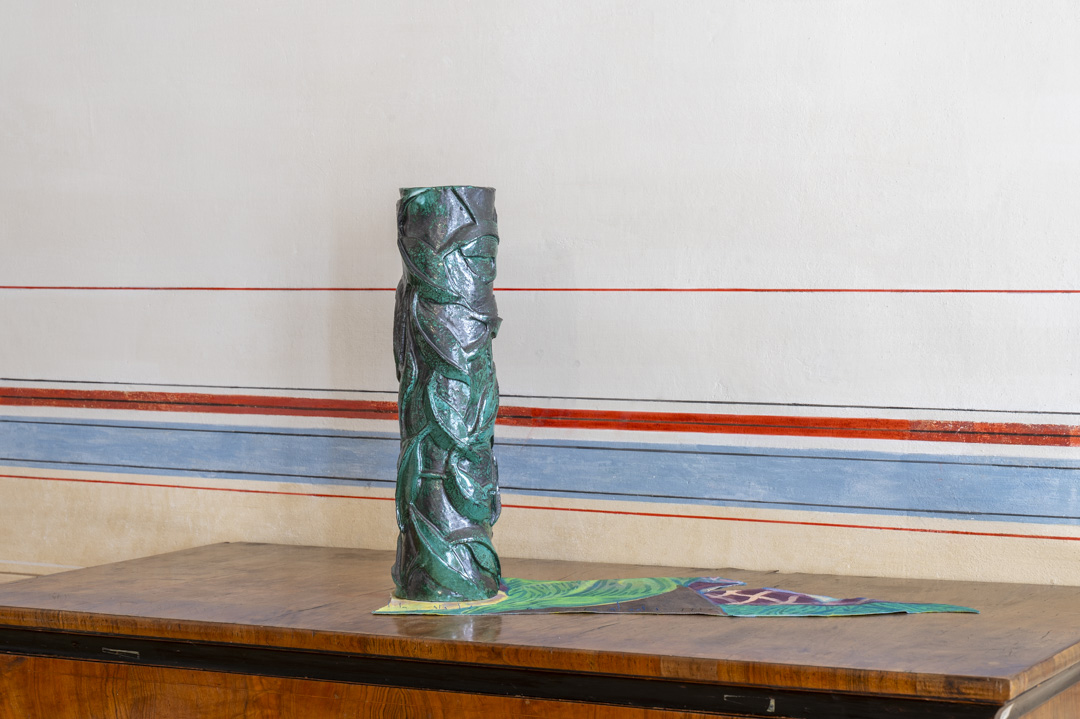
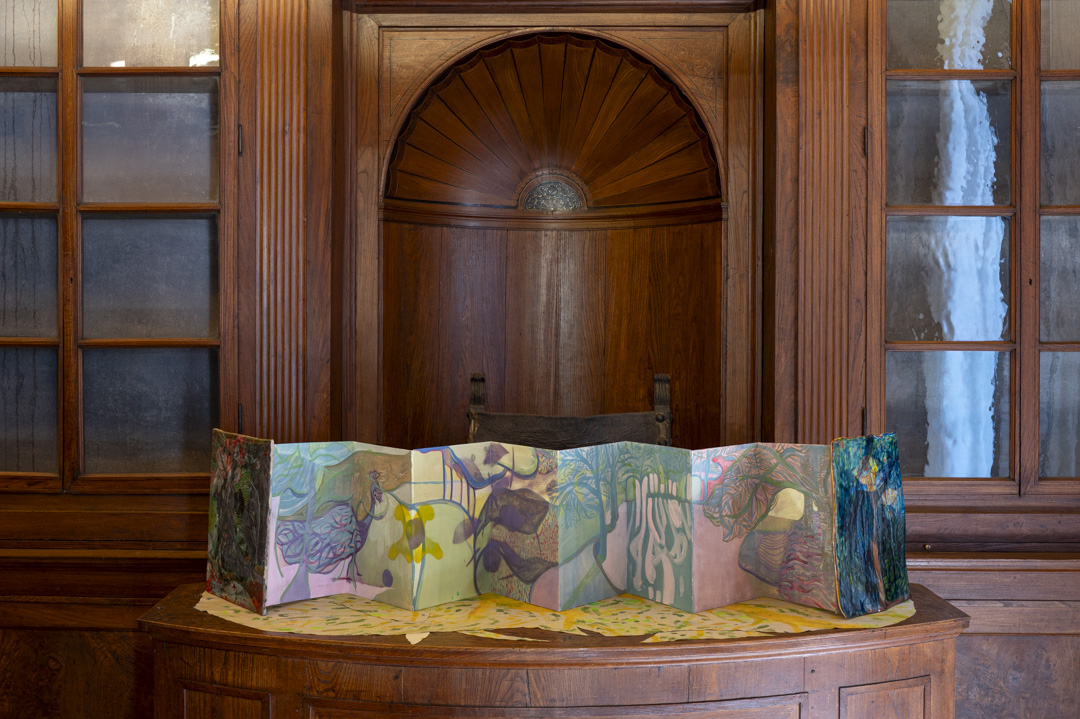
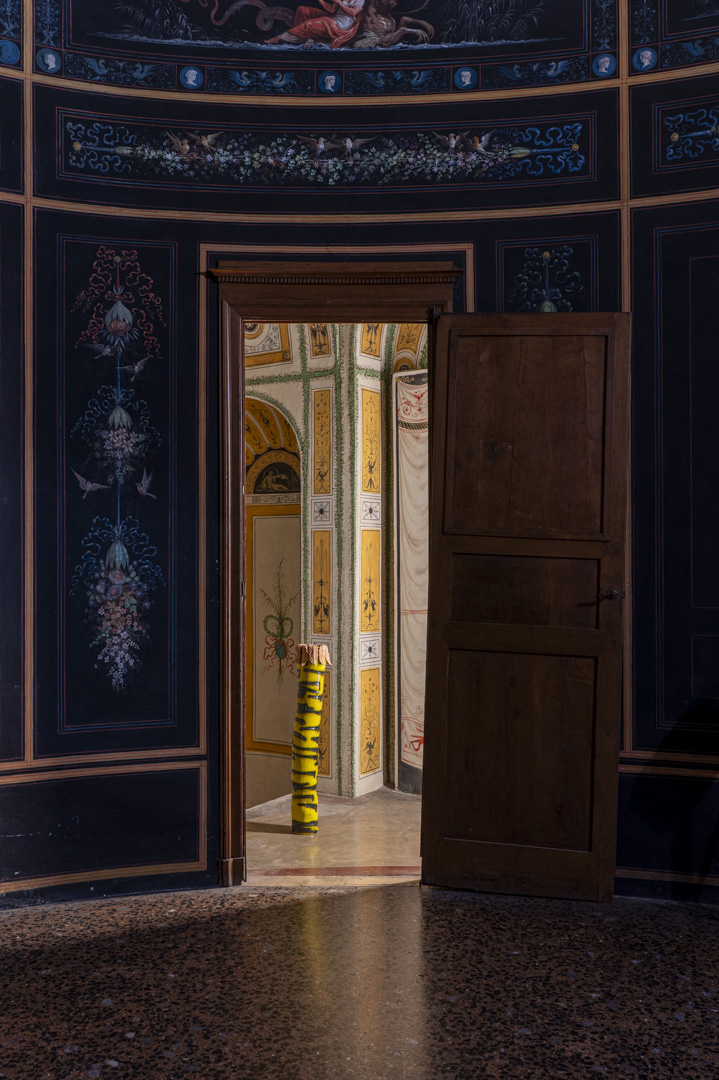
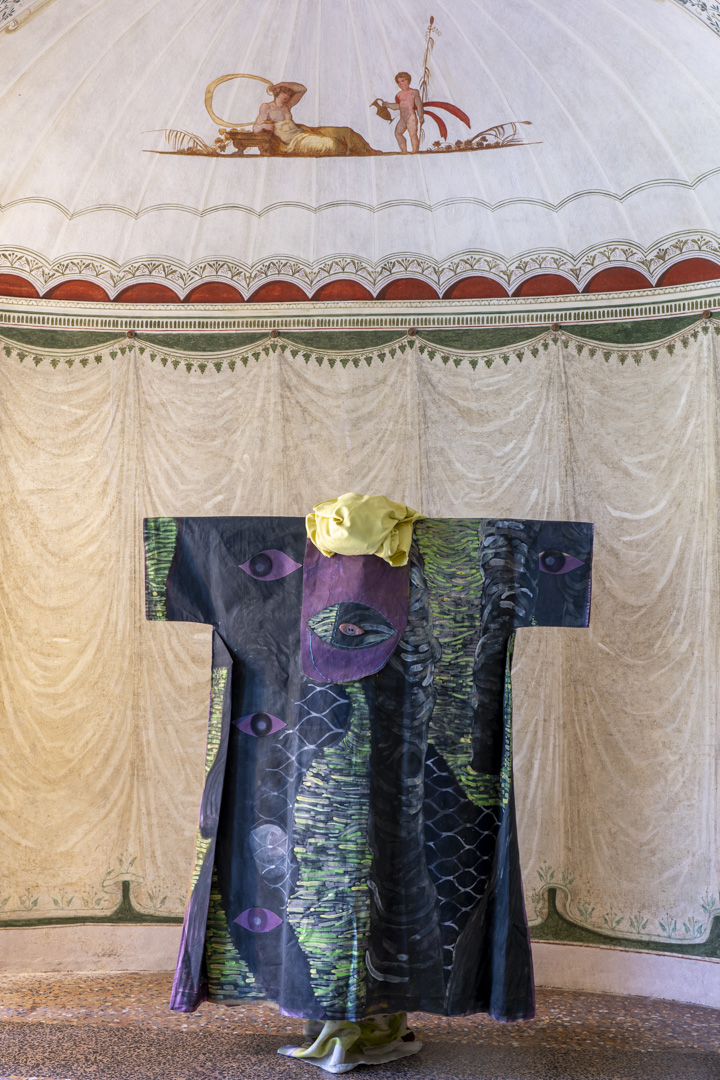
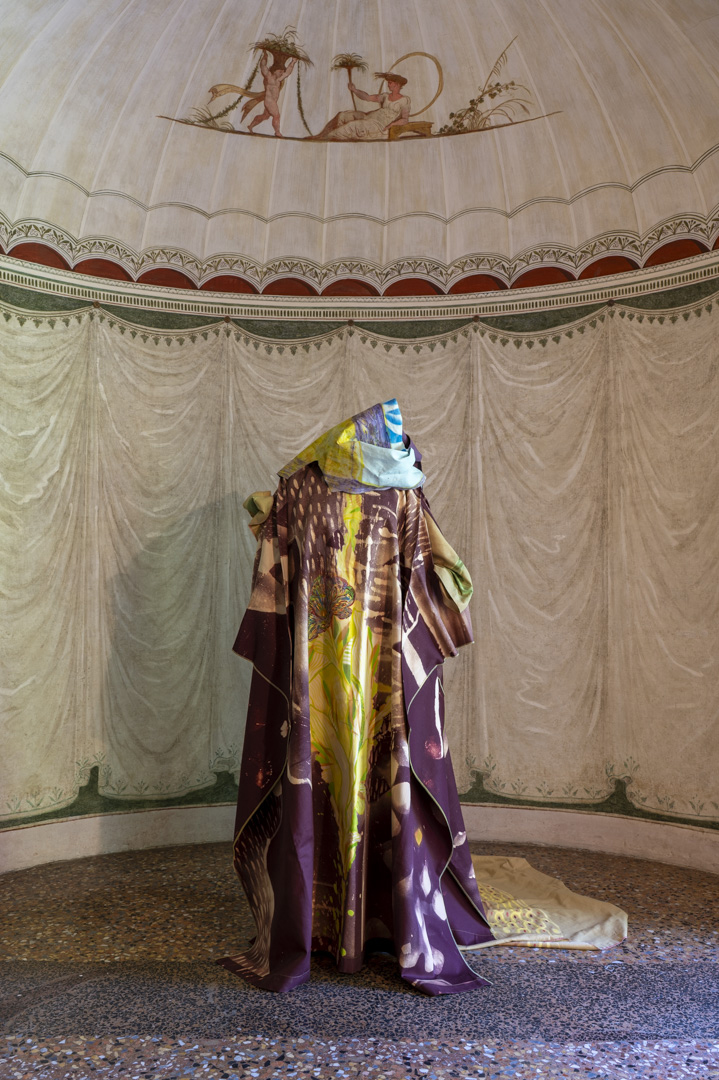
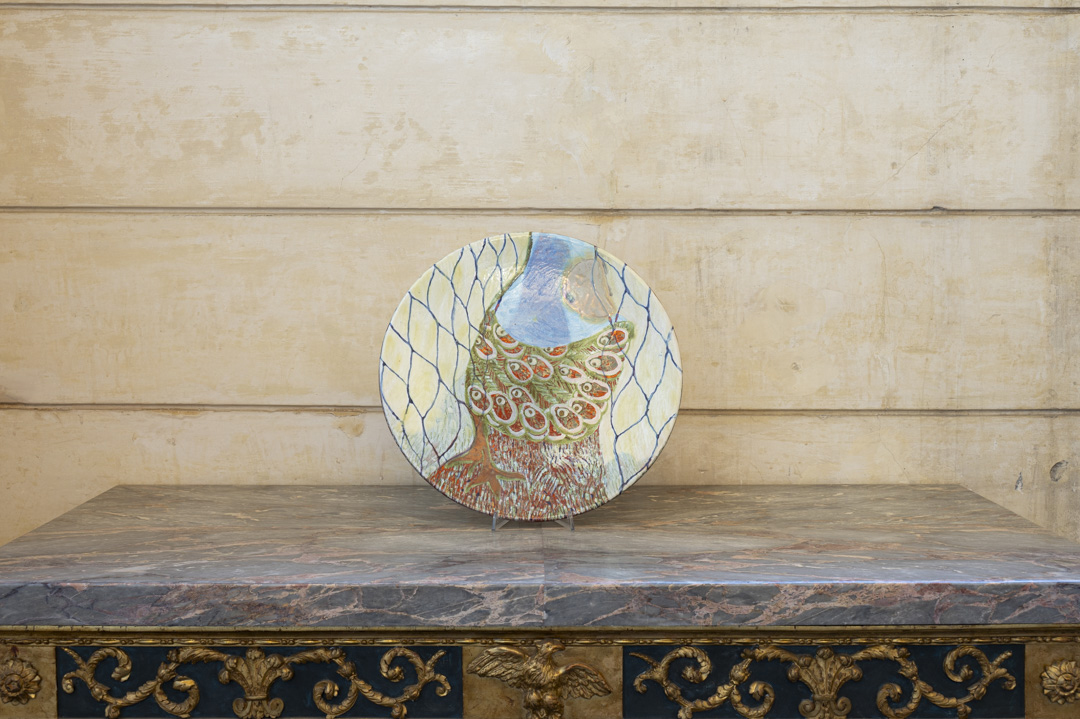
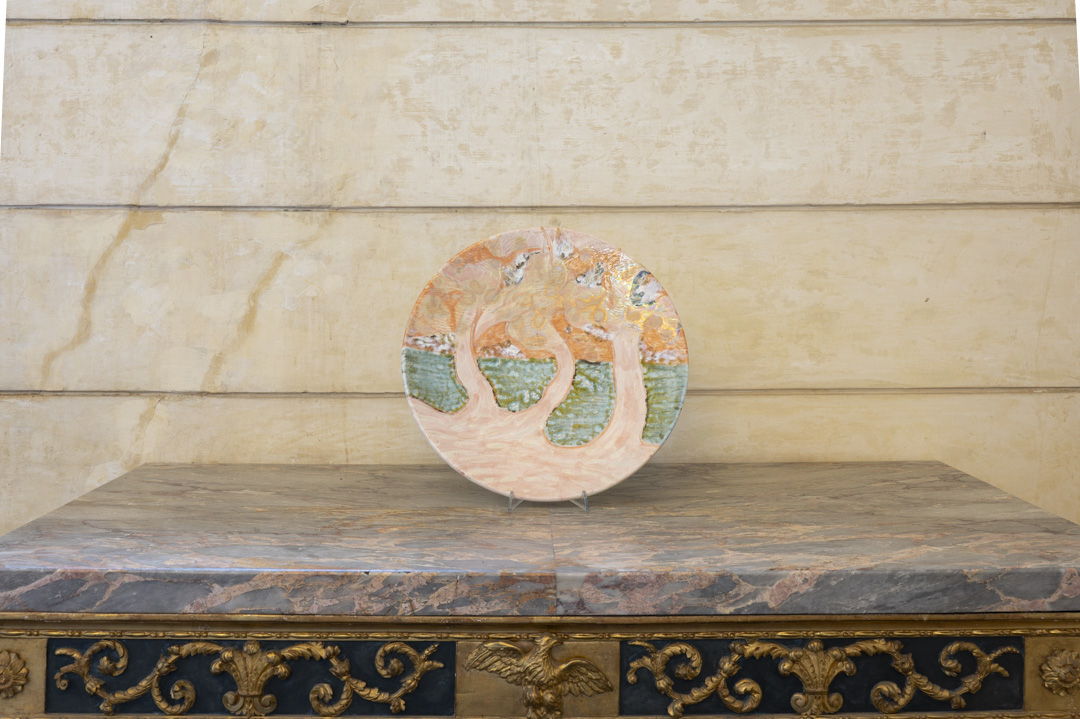
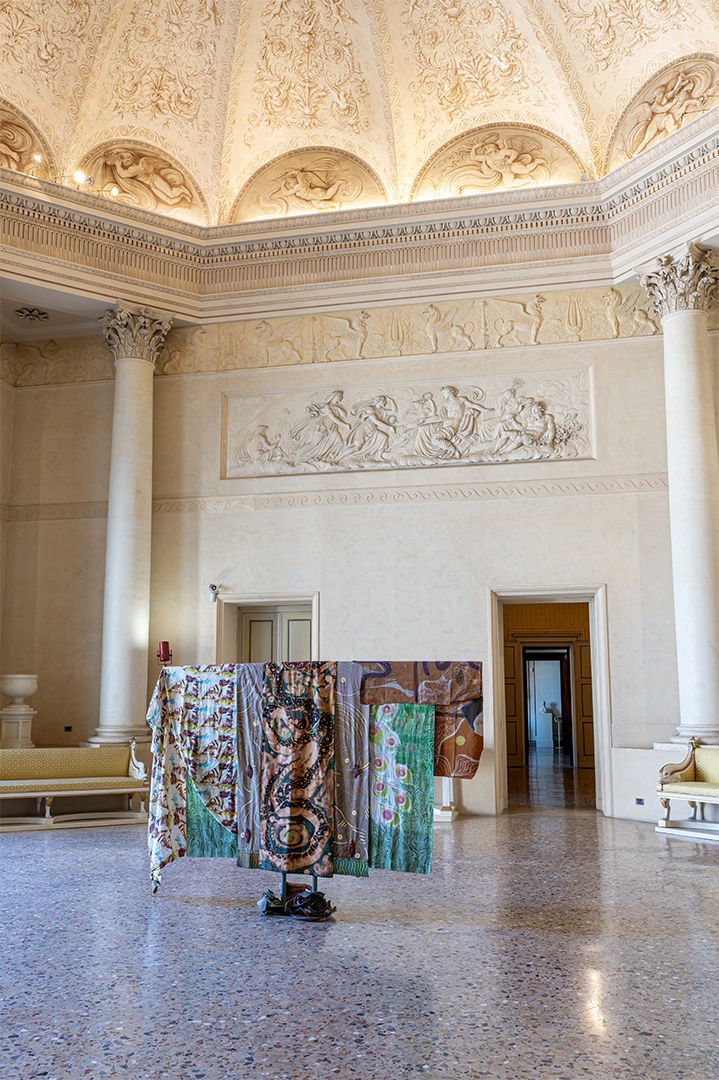
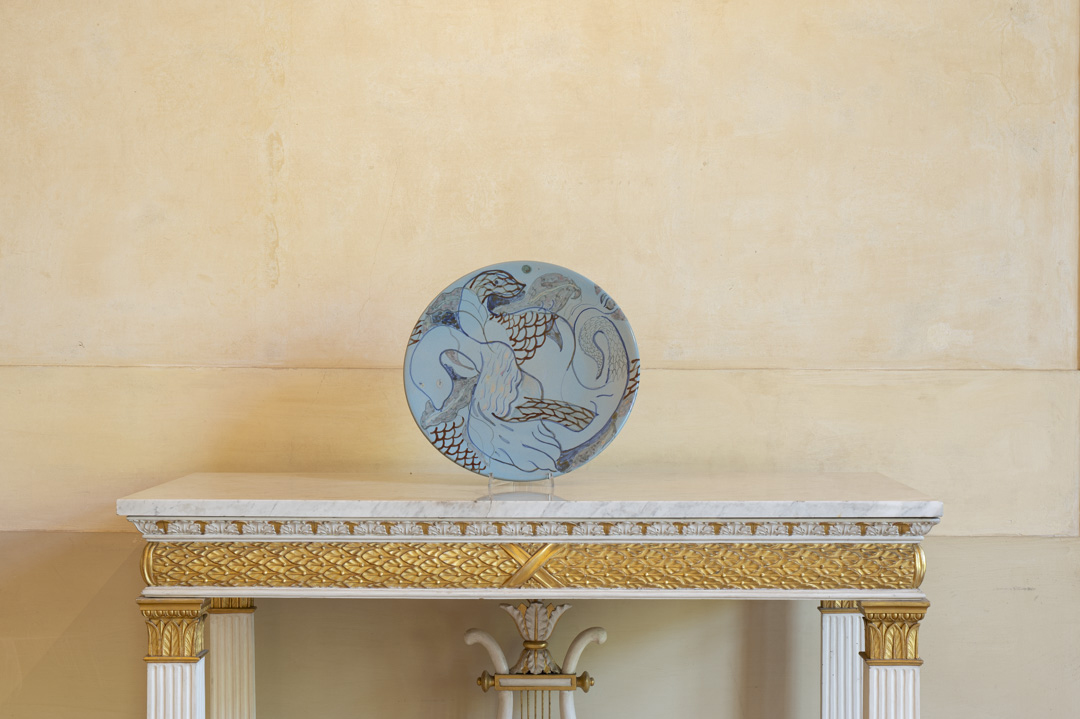
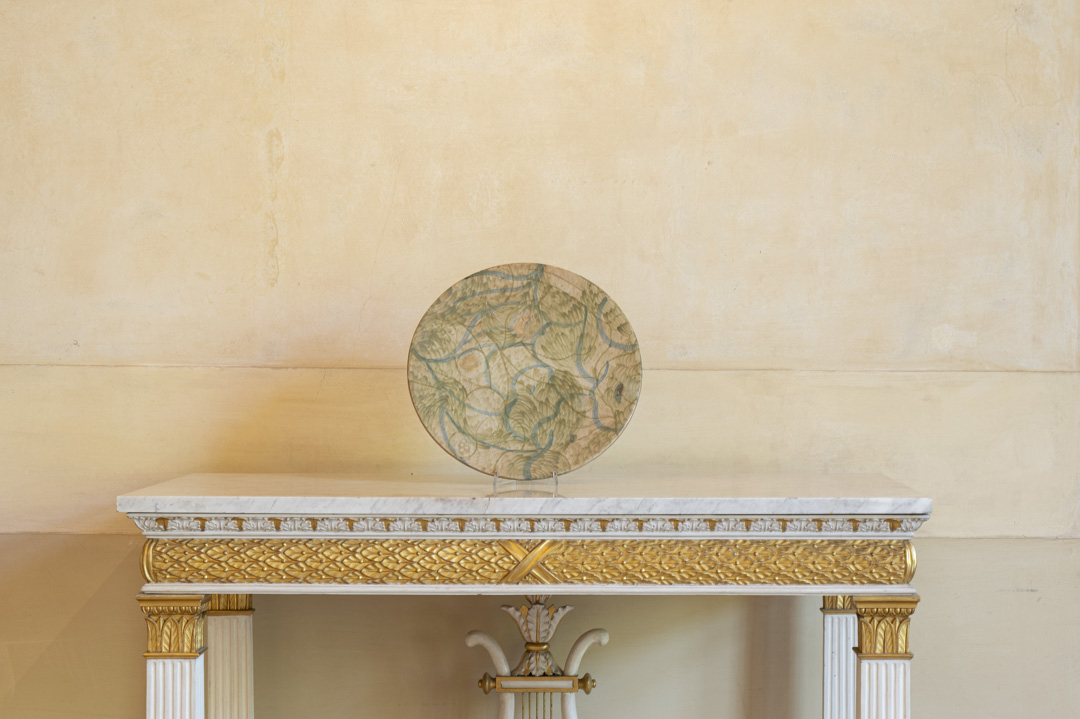
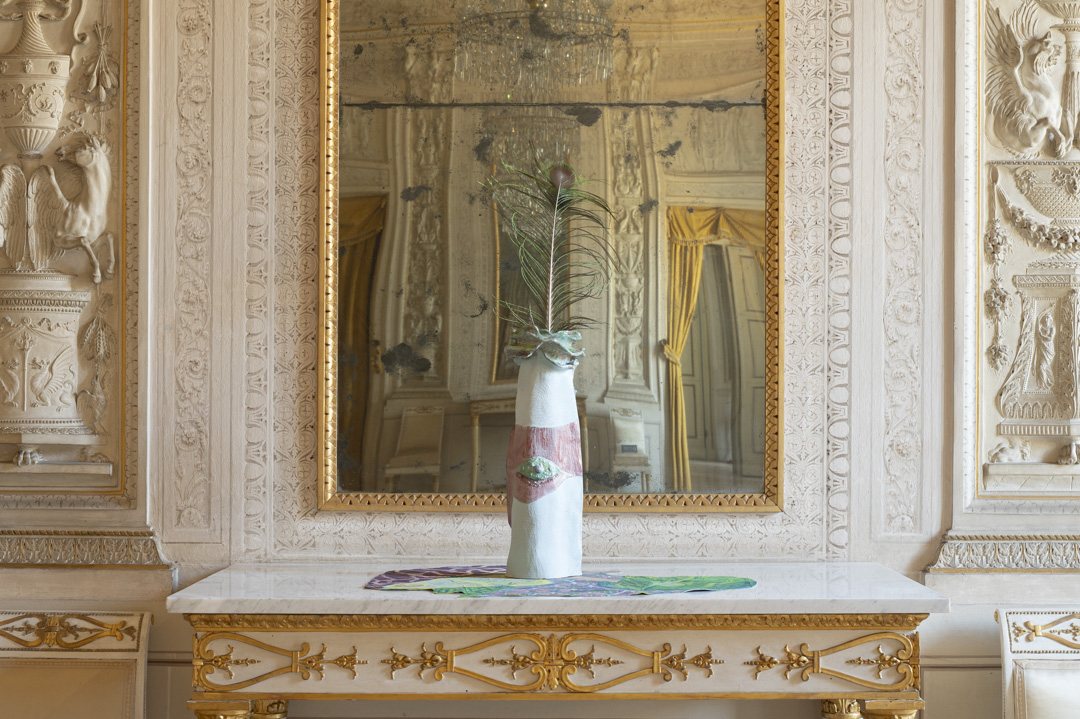
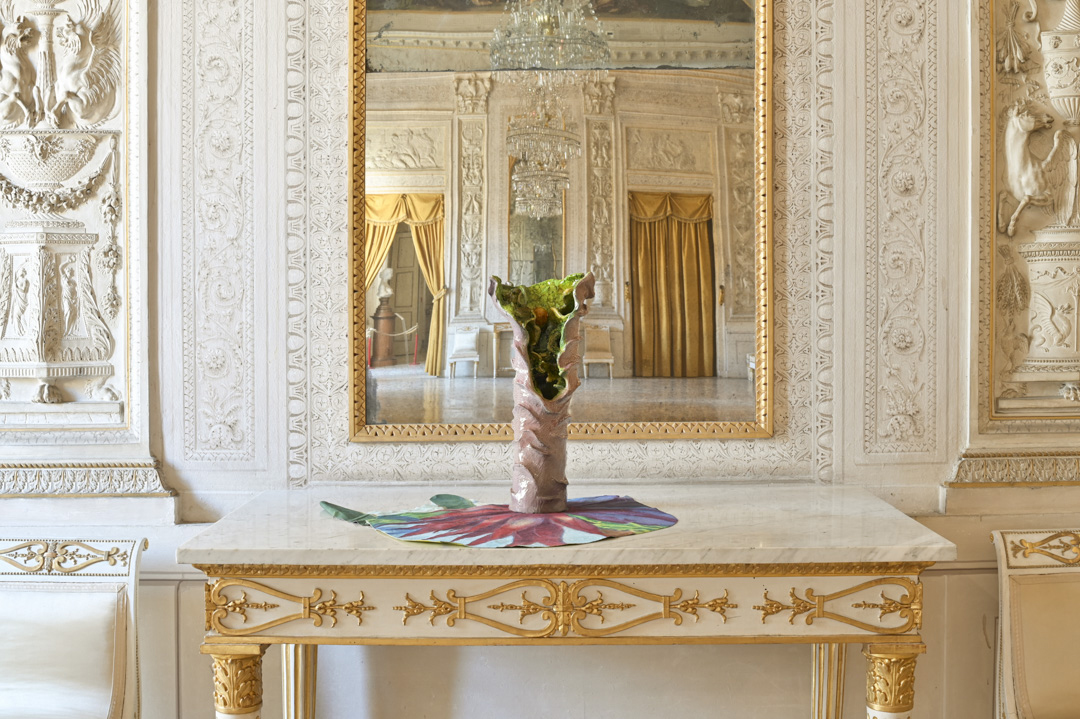
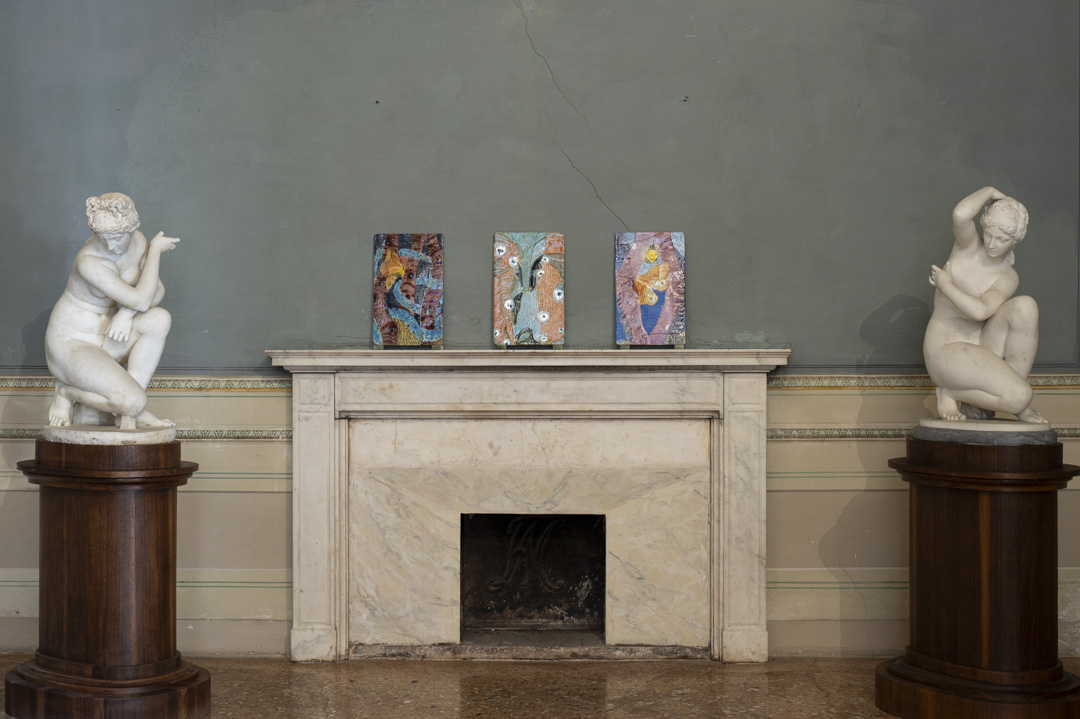
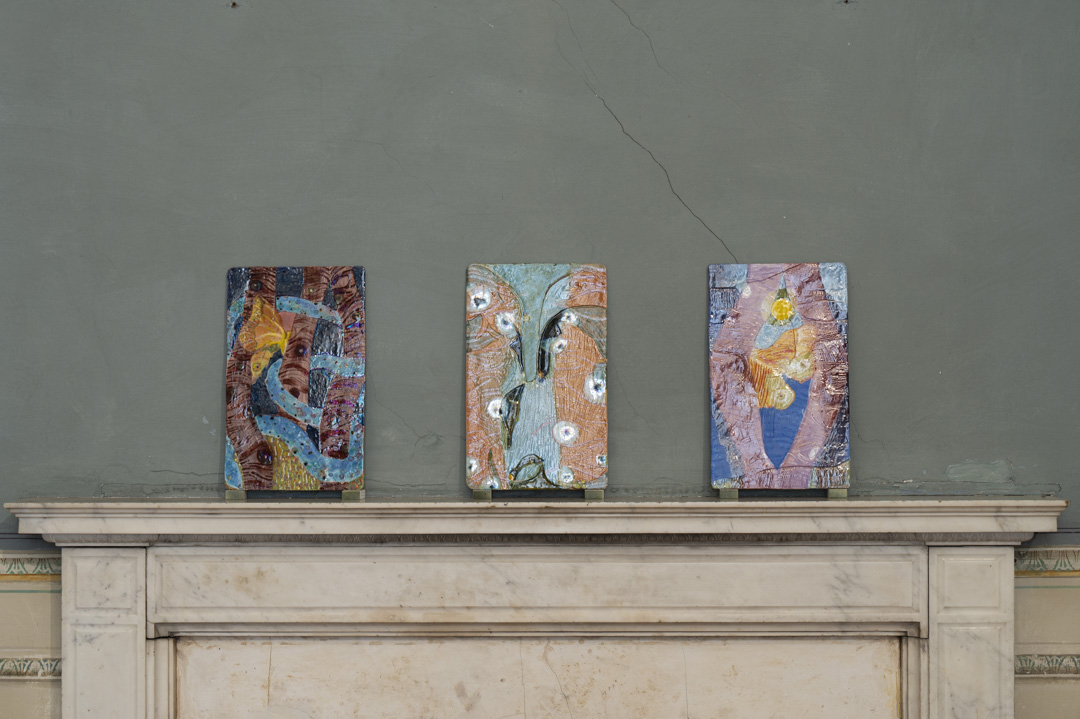
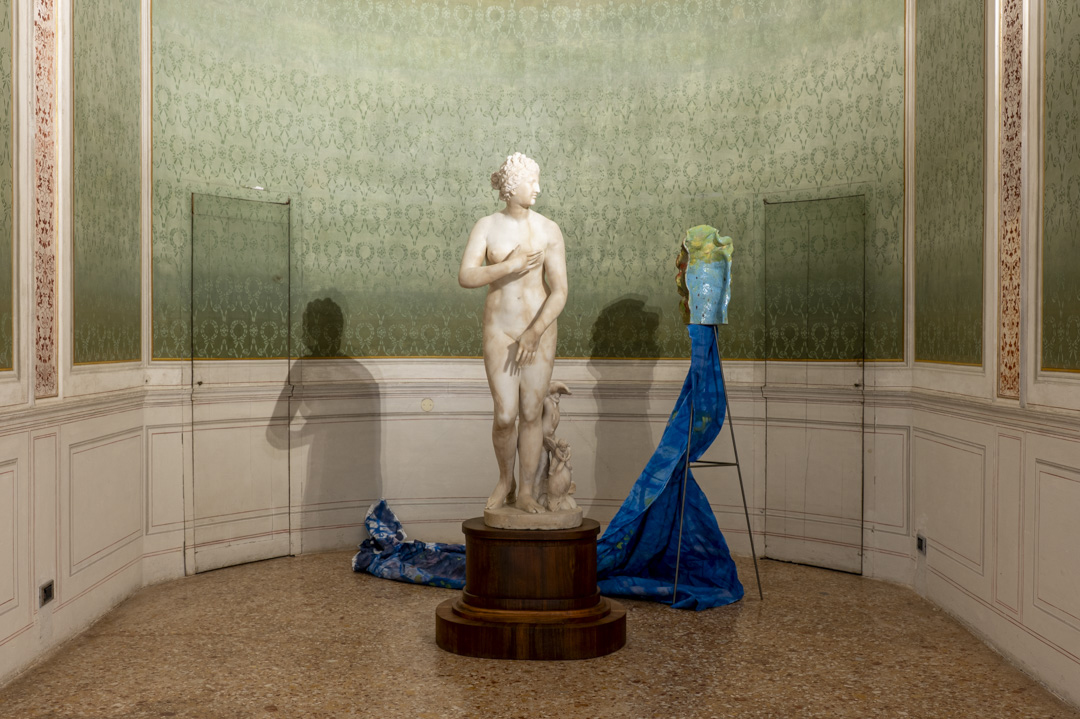
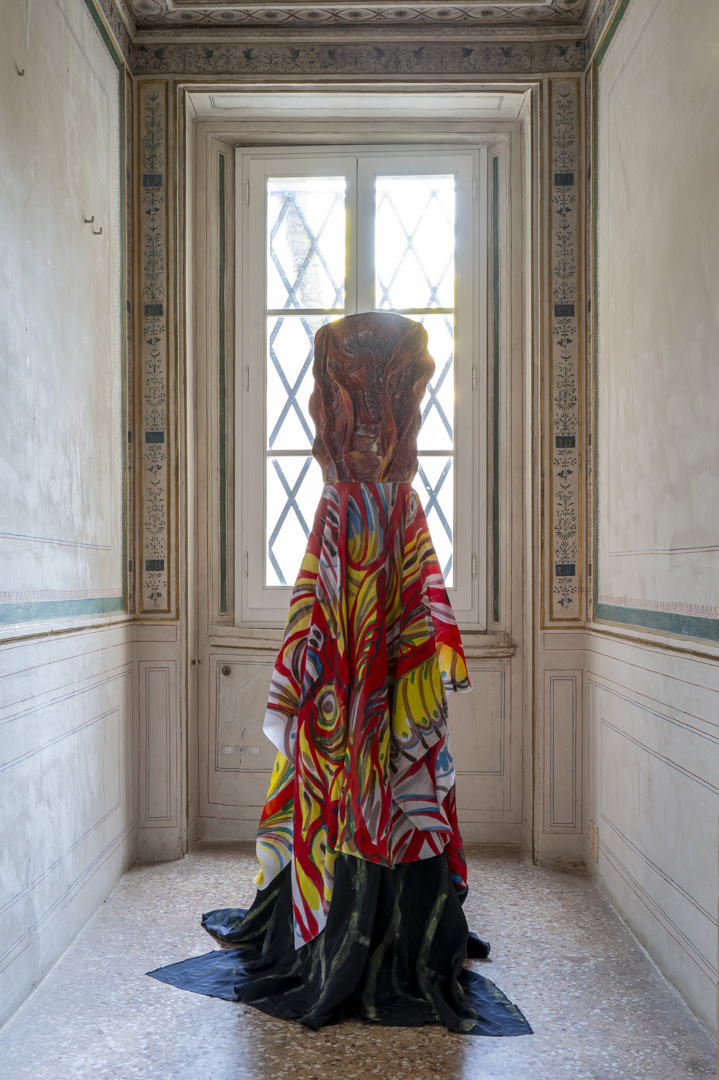
The exhibition, curated by Domenico Iaracà, represents a new stage in the multi-year research journey of Alessandro Roma, a Milanese artist active in Italy and abroad, whose practice — born from a primarily painting- based training — has progressively expanded to include ceramics, collage, sculpture, textile printing, and experimentation with different techniques and materials. The guiding thread of the exhibition is nature, a living, generative presence that runs through the halls of the palazzo and establishes a new dialogue with the murals, stuccowork, and decorations of the neoclassical residence. Roma’s works seem to reclaim spaces that, only in appearance, lack any natural element, giving rise to interior landscapes where real experiences and imagination meet. Opening the exhibition path is an arcane figure resembling the plumage of an exotic bird, in which the absence of a face draws the visitor into a suspended universe. Room after room, polychrome plant elements unfold — stems and leaves belonging to undefined species, plates covered in lush natural tangles, and works in whichforms and colors move away from realistic representation to compose an idealized herbarium and bestiary. Nature is no longer a backdrop or a mere symbolic element but becomes the absolute protagonist. The receding role of the human figure seems to overturn traditional hierarchies of representation: it is nature — from which we are born and to which we return — that asserts itself as the central presence, an inexhaustible source of forms, colors, and creative possibilities. Over the course of the visit, masks mounted on tripods and decorated on both sides also emerge. These works question the public about the multiplicity of identity and the distance between the face shown to others and the more intimate, inner one. In this way, even the human figure moves away from mimetic representation, allowing itself to be traversed and transformed by the natural element. The dialogue with Palazzo Milzetti takes on a fundamental role: the plant “presences” created by the artist meet those already held within the decorations of the rooms and in the stuccowork, ideally continuing beyond the windows, into the inner garden and the spaces surrounding the romantic little house recently acquired by the Museum.